Transform Your Yard: A Step-by-Step Guide to Installing a Clover Lawn


Why Choose a Clover Lawn?
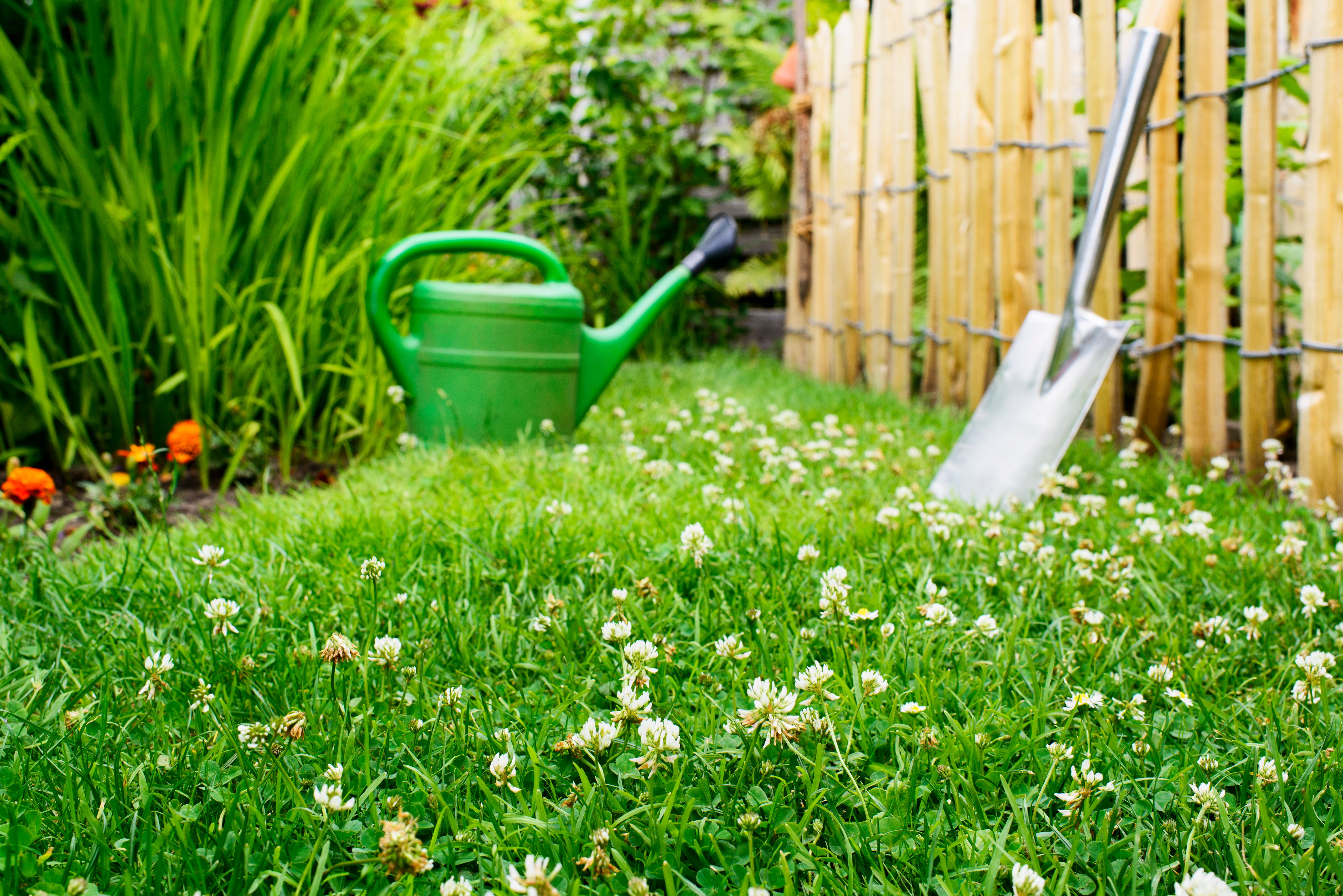
Transforming your yard with a clover lawn offers numerous benefits. Clover is low-maintenance, drought-resistant, and naturally enriches the soil with nitrogen. It's an eco-friendly alternative to traditional grass lawns, providing a lush, green landscape with minimal effort.
Unlike grass, clover requires less water, reducing your utility bills and conserving precious resources. Additionally, clover lawns attract beneficial insects, enhancing your garden's biodiversity.
Preparing Your Yard
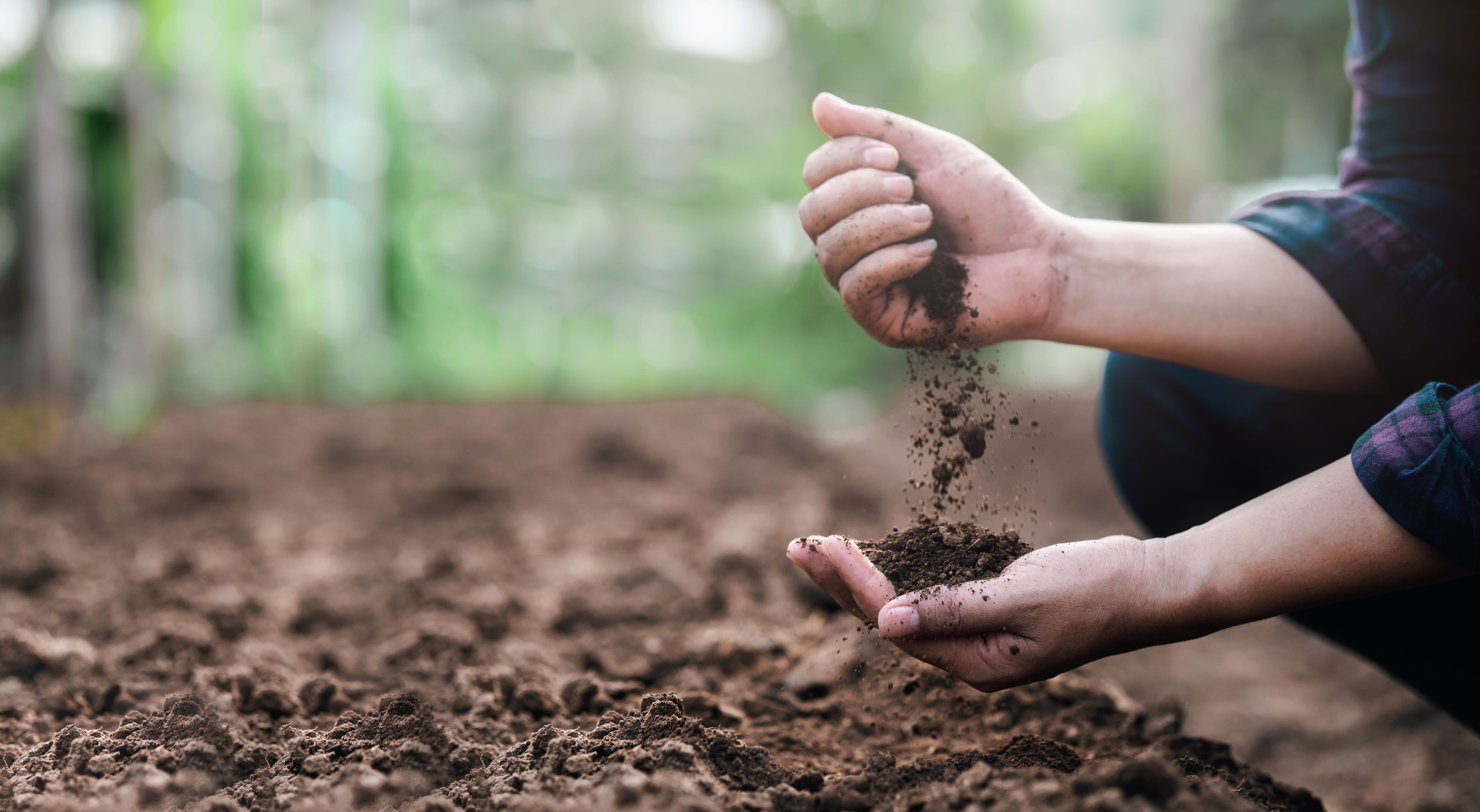
Before installing a clover lawn, it's crucial to prepare your yard properly. Start by removing any existing grass or weeds. You can do this manually or use a natural herbicide to clear the area. Ensure that the soil is well-drained and amend it with organic compost if necessary.
Next, test the soil's pH level. Clover thrives in slightly acidic to neutral soil with a pH between 6.0 and 7.0. Adjust the pH if needed by adding lime to raise it or sulfur to lower it.
Choosing the Right Clover
There are several clover varieties to consider. The most popular for lawns are white clover and microclover. White clover is ideal for larger areas, while microclover is perfect for smaller spaces and blends seamlessly with grass.
When selecting clover, consider your climate and yard conditions. Consult with a local nursery or garden center to choose the best variety for your area.
Planting Your Clover Lawn
To plant your clover lawn, scatter seeds evenly over the prepared soil. It’s important to follow the recommended seeding rate, typically 1 to 2 ounces per 1,000 square feet. Lightly rake the seeds into the soil, ensuring good contact.
After planting, water the area gently to keep the soil moist but not waterlogged. Clover seeds generally germinate within 7 to 14 days.

Maintaining Your Clover Lawn
A clover lawn requires minimal upkeep compared to traditional grass. Mow your clover lawn to a height of 3 to 4 inches. This helps it stay dense and lush. Clover doesn't require frequent mowing, reducing your yard work significantly.
Water your clover lawn during dry spells, but remember that it is drought-resistant and requires less water than grass.
Dealing with Pests and Weeds
Clover naturally deters pests and suppresses weed growth, reducing the need for chemical treatments. If weeds do appear, hand-pulling is often sufficient. For larger infestations, consider using organic herbicides.
Monitor your lawn regularly to catch any issues early. Healthy clover is resilient and generally free of problems.

Enjoying Your Eco-Friendly Landscape
With your clover lawn established, you can enjoy a beautiful, sustainable yard. Clover not only enhances the aesthetic appeal of your outdoor space but also contributes to environmental conservation.
Invite friends and family to enjoy your new landscape, knowing that you've chosen an option that's both stunning and environmentally friendly.