Transform Your Lawn: A Step-by-Step Guide to Clover Lawn Installation


Why Choose a Clover Lawn?
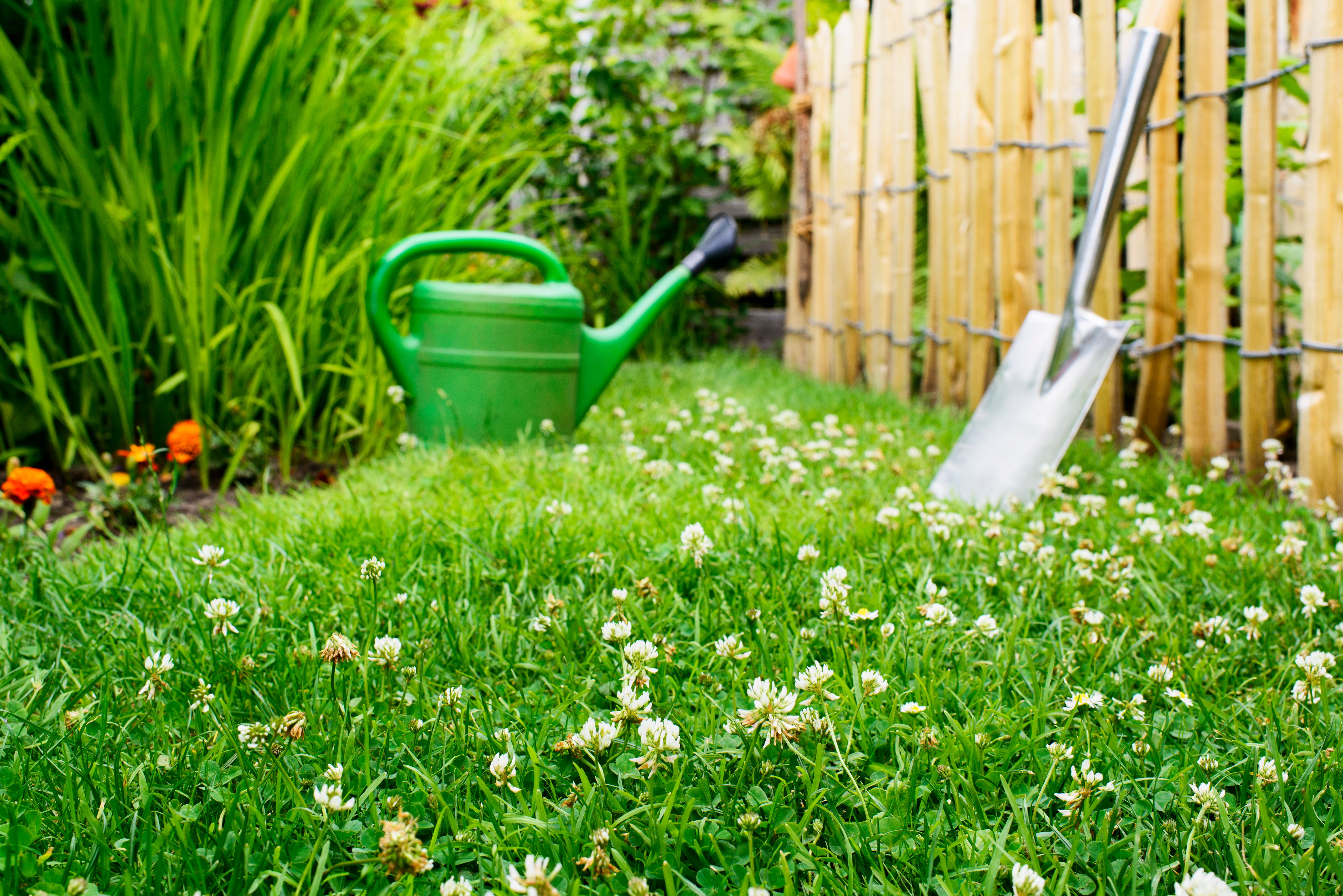
Transforming your lawn with clover offers a range of benefits that traditional grass lawns simply can't match. Clover is not only low-maintenance but also drought-resistant, making it an eco-friendly choice. It requires less water and fertilizer, which reduces your environmental footprint and saves you money.
Additionally, clover is known for its ability to improve soil health. Its deep roots help aerate the soil and add essential nutrients like nitrogen, resulting in a lush, green carpet that's both beautiful and sustainable.
Preparing Your Lawn
Before you begin your clover transformation, proper preparation is key. Start by removing any existing grass or weeds. You can do this by tilling or using an organic herbicide. Once the area is clear, rake the soil to create a smooth, even surface.
Consider testing your soil's pH level. Clover thrives in slightly acidic to neutral soil, so aim for a pH between 6.0 and 7.0. If needed, amend the soil with lime or sulfur to achieve the ideal conditions.
Choosing the Right Clover Variety
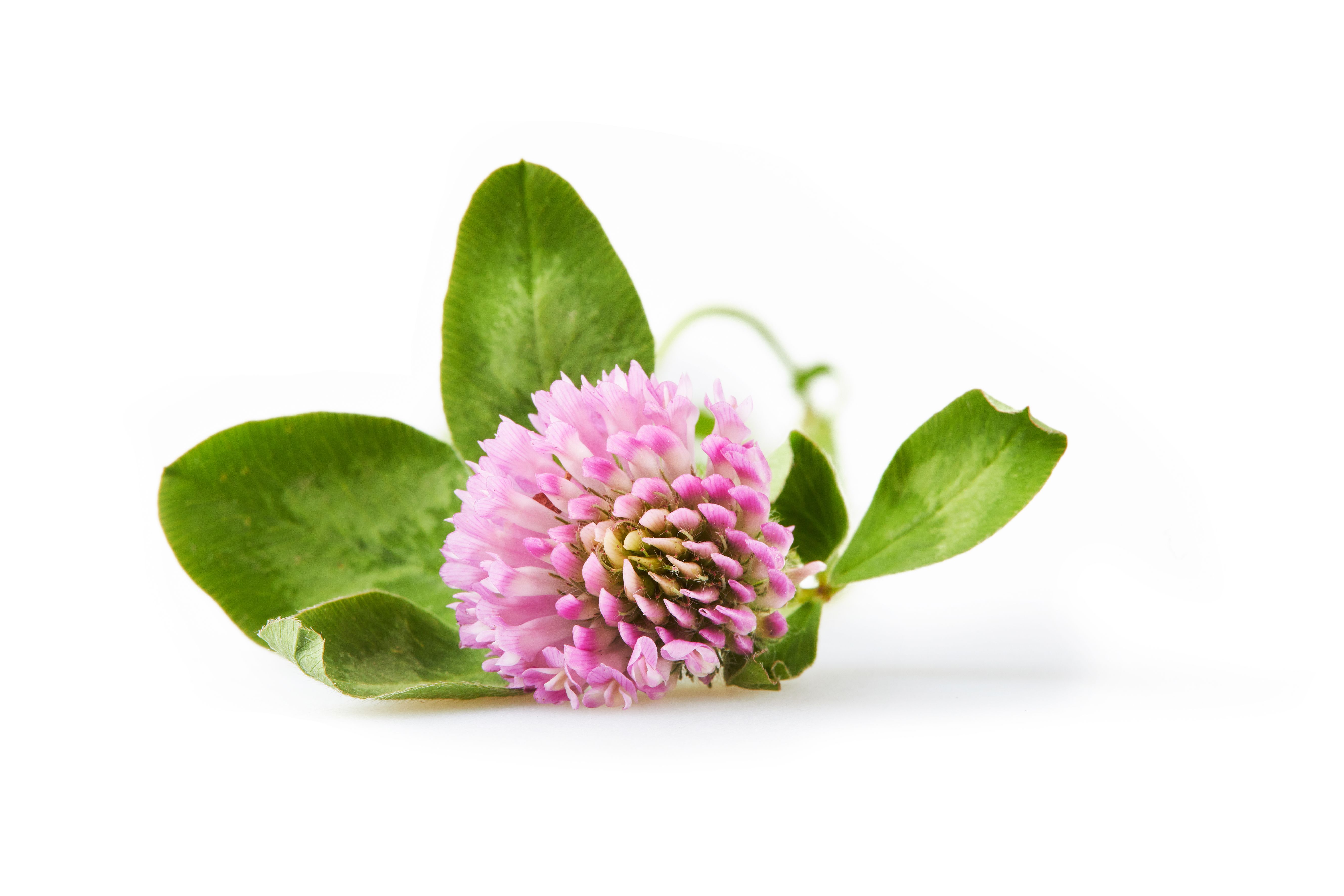
There are several types of clover to choose from, each with its unique benefits. White clover is a popular choice due to its durability and ability to thrive in various climates. Microclover, a smaller variety, offers a more refined look while retaining all the benefits of regular clover.
Planting Your Clover Lawn
Once your soil is prepared, it's time to plant. Choose a day when the weather is mild, and there's no forecast of heavy rain. Scatter the clover seeds evenly across the area. For best results, mix the seeds with sand to ensure even distribution.
After spreading the seeds, gently rake the soil to cover them lightly. Water the area thoroughly to help the seeds settle in. Keep the soil consistently moist during the germination period, which typically takes 7 to 14 days.
Maintaining Your Clover Lawn
One of the greatest advantages of a clover lawn is its low-maintenance nature. Once established, clover requires minimal watering and mowing. It naturally suppresses weeds, reducing the need for herbicides.
To keep your clover lawn healthy, mow it to a height of about 2-3 inches. This encourages denser growth and helps prevent weeds from taking hold. Fertilizing is generally unnecessary, as clover naturally enriches the soil with nitrogen.
Addressing Common Concerns
Some homeowners worry about clover attracting bees. While clover flowers do attract pollinators, mowing regularly can minimize blooming and, consequently, bee activity.
Others may be concerned about clover's appearance during winter. While clover may brown slightly in colder months, it will bounce back come spring, maintaining its lush and vibrant look.
Conclusion
Transforming your lawn with clover is an excellent choice for those seeking a sustainable, low-maintenance alternative to traditional grass. With the right preparation and care, your clover lawn will thrive, providing a lush, green landscape that's as environmentally friendly as it is beautiful.