The Environmental Benefits of Clover Lawns: What You Need to Know


The Rise of Clover Lawns
Traditional grass lawns have long been a staple in residential and commercial landscapes. However, as environmental consciousness grows, many homeowners are turning to clover lawns as a more sustainable alternative. Clover, once considered a weed, is now being celebrated for its eco-friendly benefits and aesthetic appeal.
Low Maintenance and Cost-Effective
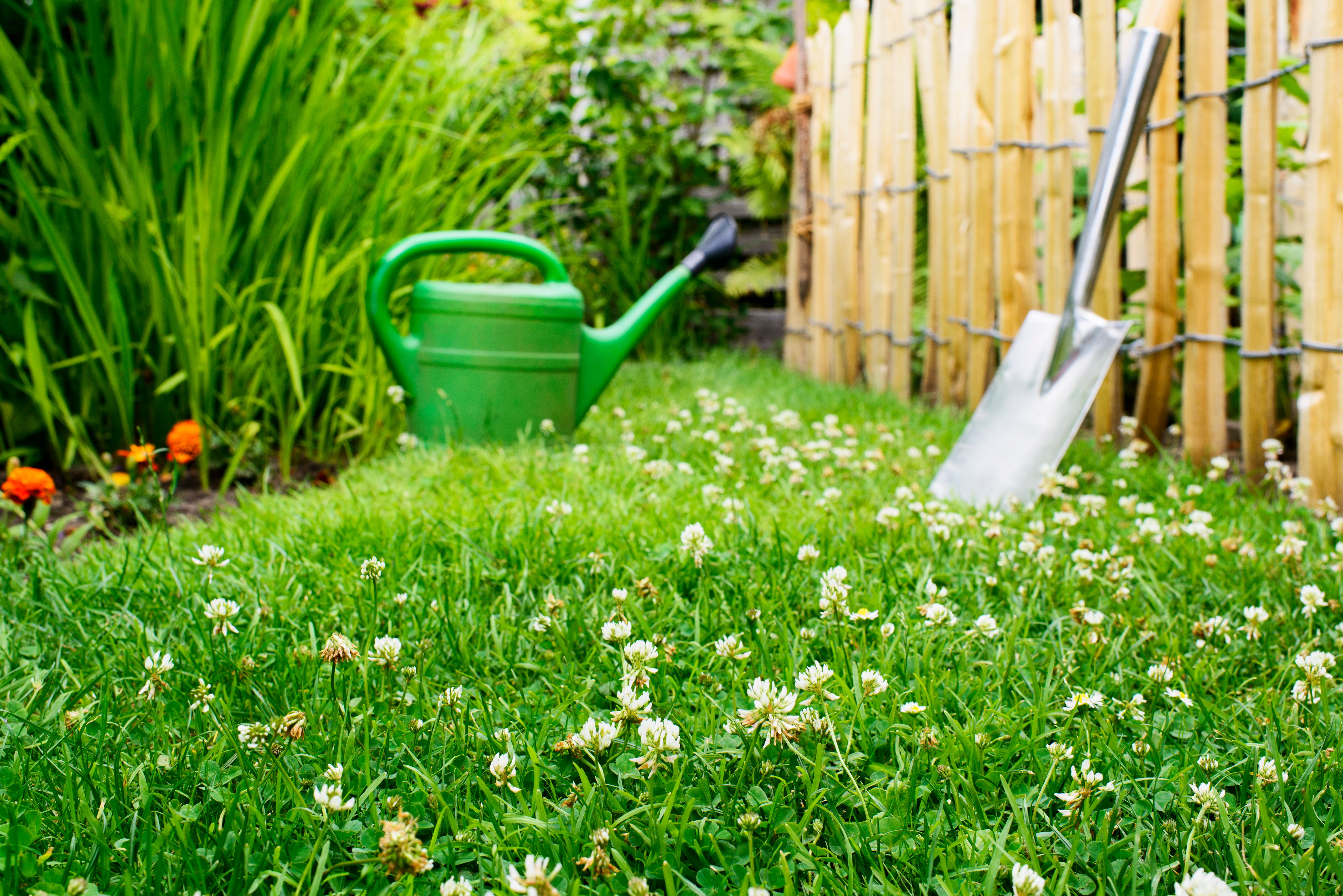
One of the most compelling advantages of clover lawns is their low maintenance requirements. Unlike grass, clover does not demand frequent mowing, watering, or fertilizing. This reduction in upkeep not only saves time but also significantly lowers maintenance costs. Clover's natural resilience makes it an ideal choice for busy homeowners seeking a lush, green lawn without the hassle.
Environmental Benefits
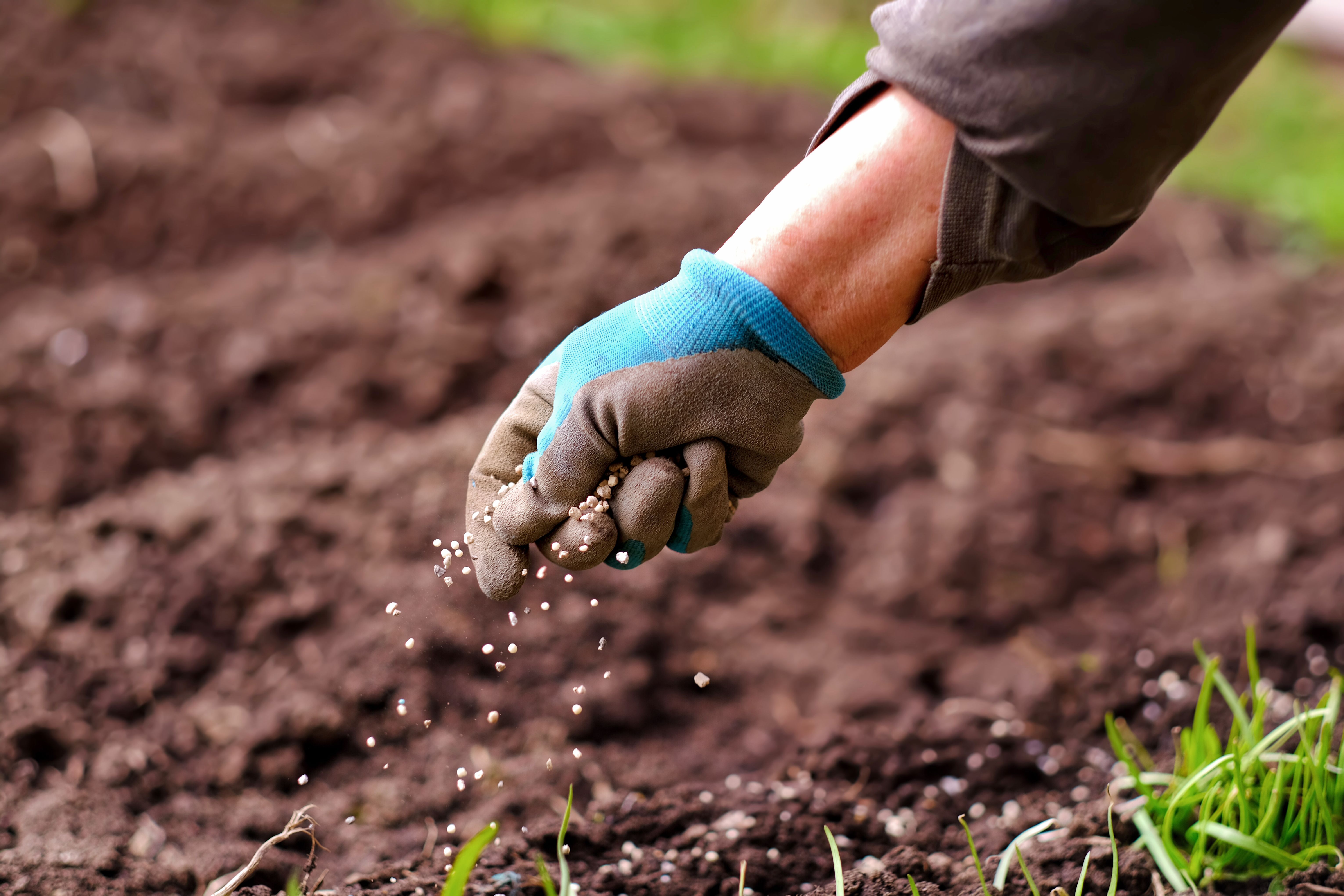
Clover is a nitrogen-fixing plant, meaning it has the ability to convert atmospheric nitrogen into a form usable by the soil. This natural fertilization process reduces the need for chemical fertilizers, which can be harmful to the environment. By using clover lawns, homeowners can contribute to a healthier ecosystem.
Furthermore, clover is drought-tolerant and requires less water than traditional grass. This characteristic is particularly beneficial in regions prone to water scarcity, helping to conserve precious water resources. Additionally, clover's dense growth pattern helps prevent soil erosion, promoting better soil health.
Supporting Biodiversity
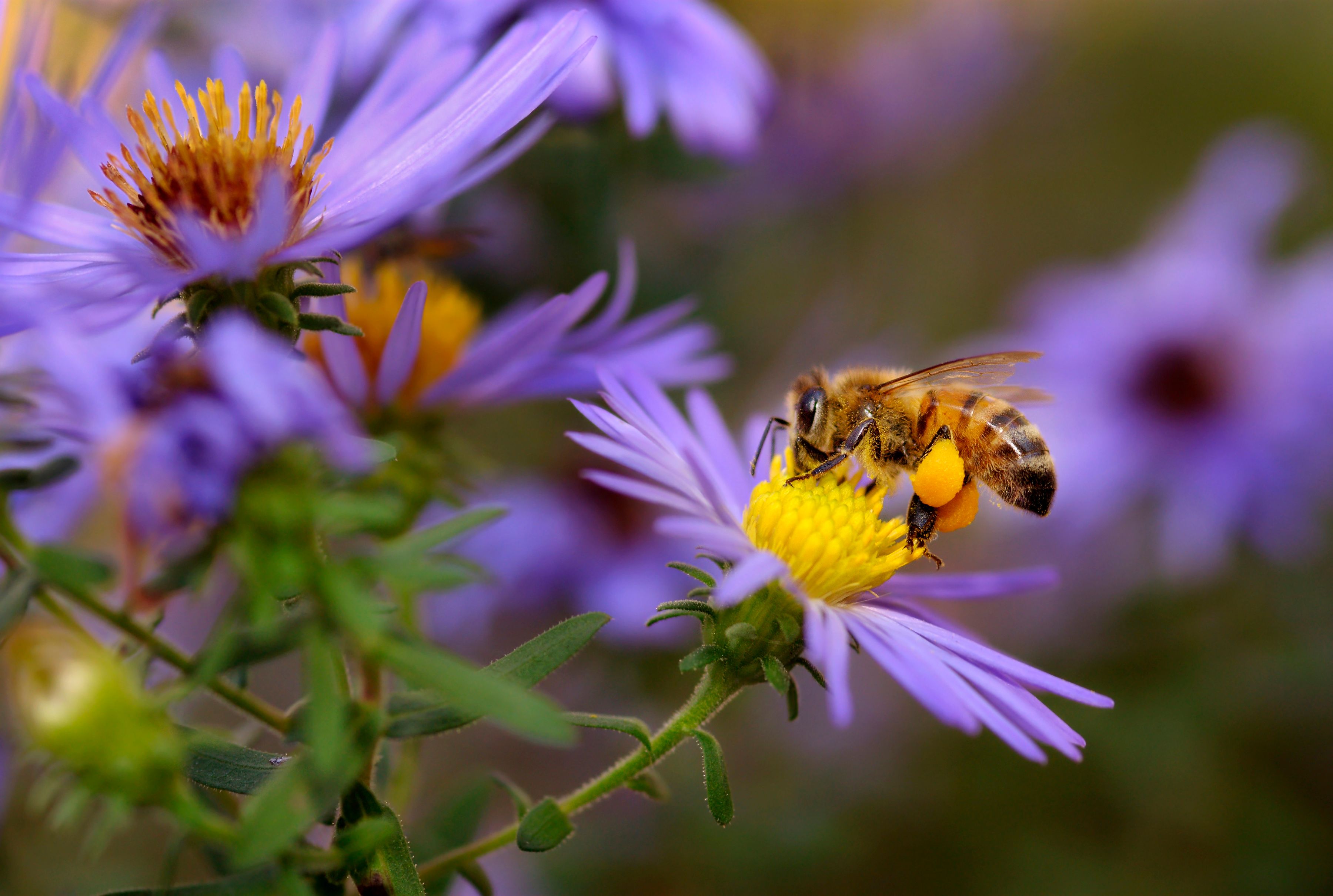
Clover lawns provide a habitat for pollinators such as bees and butterflies. These creatures play a crucial role in maintaining biodiversity and supporting the growth of various plant species. By opting for a clover lawn, you are not only enhancing the beauty of your landscape but also supporting essential pollinator populations.
Considerations for Planting Clover Lawns
When considering a clover lawn, it's important to understand the different varieties available. White clover is the most popular choice due to its adaptability and low growth height. However, microclover is gaining popularity for its smaller leaves and ability to blend seamlessly with grass.
- White Clover: Known for its durability and adaptability.
- Microclover: Offers a finer texture and blends well with grass.
Steps to Establish a Clover Lawn
Transitioning to a clover lawn involves a few simple steps:
- Remove existing grass and weeds from the area.
- Prepare the soil by loosening it and ensuring proper drainage.
- Sow clover seeds evenly across the prepared area.
- Water the area lightly until the clover is established.
With minimal effort, you can enjoy a beautiful, eco-friendly lawn that benefits both the environment and your wallet.

Conclusion
As more people become aware of the environmental impact of traditional lawns, the shift towards sustainable alternatives like clover lawns is gaining momentum. These lawns offer numerous benefits, from reducing maintenance costs to supporting local biodiversity. By choosing a clover lawn, you are making a positive impact on the environment while enjoying a vibrant, low-maintenance landscape.
Whether you are motivated by environmental concerns or simply wish to reduce lawn care efforts, clover lawns provide a practical and beautiful solution. Embrace this eco-friendly trend and contribute to a greener future.