Organic Fertilization for Clover Lawns: Boost Growth Naturally


Introduction to Organic Fertilization
Clover lawns have gained popularity due to their lush appearance and low maintenance requirements. To keep your clover lawn thriving, organic fertilization is a sustainable and effective method. By using natural fertilizers, you enhance soil health and promote vigorous growth without the use of harsh chemicals.
Why Choose Organic Fertilization?
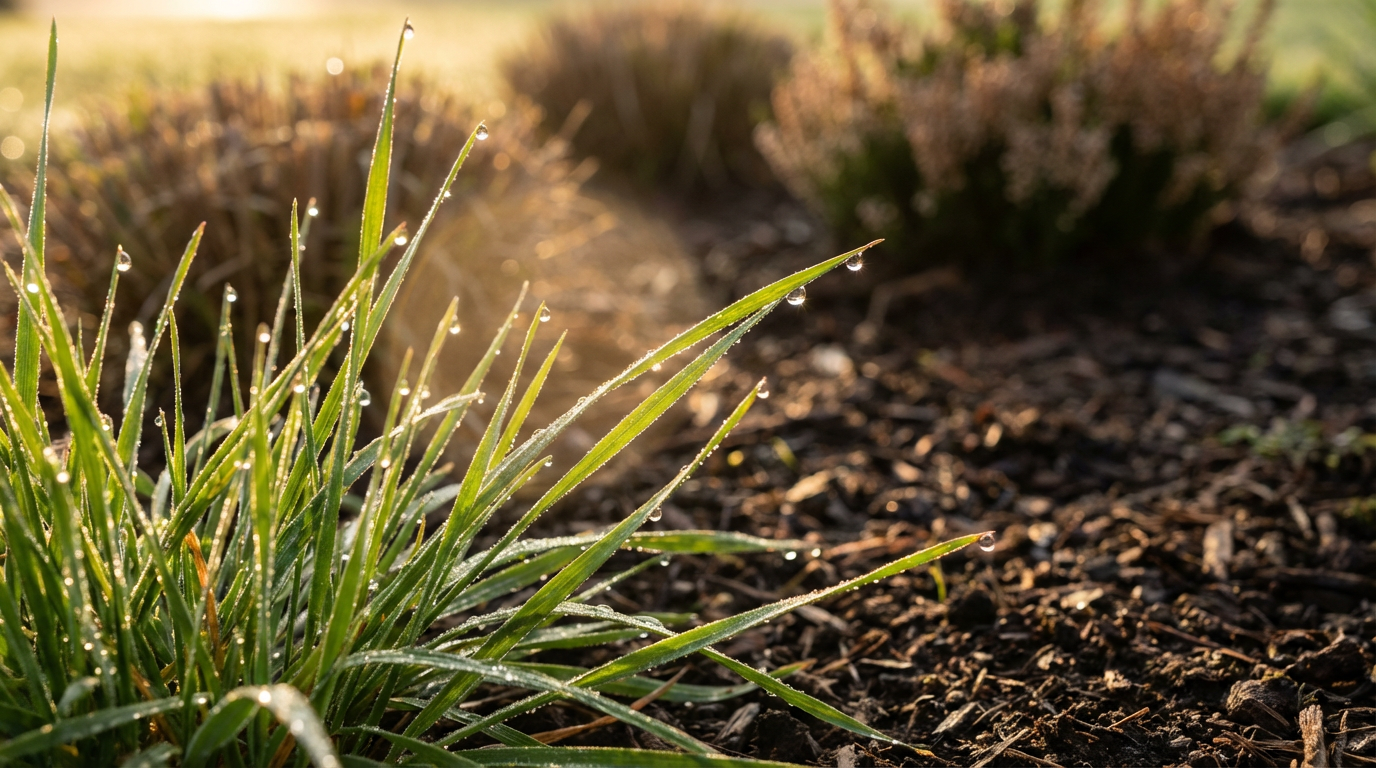
Organic fertilization offers numerous benefits over traditional chemical fertilizers. It improves soil structure, increases microbial activity, and enhances water retention. This approach not only supports the health of your lawn but also contributes to the well-being of the surrounding ecosystem.
Furthermore, organic methods reduce the risk of nutrient runoff, which can contaminate nearby water sources. By opting for organic fertilizers, you are making an environmentally responsible choice that supports biodiversity.
Types of Organic Fertilizers
There are several types of organic fertilizers that can be used to nourish clover lawns. Some popular options include:
- Compost: Rich in nutrients and beneficial microorganisms, compost improves soil structure and fertility.
- Manure: Well-aged manure is an excellent source of nitrogen, phosphorus, and potassium.
- Bone Meal: High in phosphorus, bone meal supports root development and flower production.
Applying Organic Fertilizers
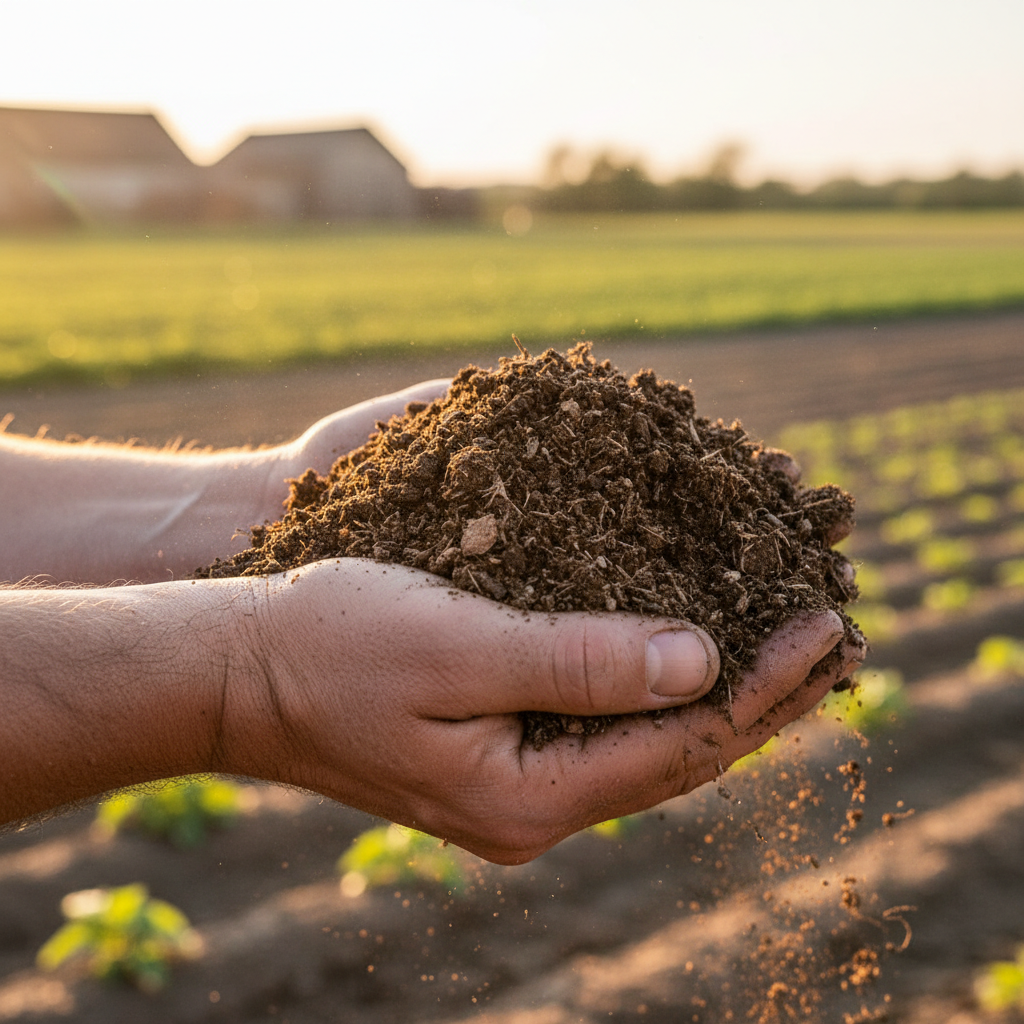
Applying organic fertilizers correctly is crucial for optimal results. Begin by testing your soil to determine its nutrient needs. This will help you choose the right type and amount of fertilizer. Generally, it's recommended to apply organic fertilizers in early spring or fall when the soil is moist and temperatures are moderate.
Spread the fertilizer evenly across your lawn using a broadcast spreader, ensuring that you cover all areas. Water the lawn lightly after application to help the nutrients penetrate the soil.
Benefits of Clover in Lawns
Clover is not just a low-maintenance ground cover; it also offers several advantages for lawns. Clover naturally fixes nitrogen from the air, reducing the need for additional fertilizers. It stays green even during dry periods, providing a resilient and attractive lawn.
Additionally, clover can outcompete weeds, reducing the need for herbicides. Its flowers attract pollinators, supporting local biodiversity and enhancing the beauty of your garden.
Maintaining a Healthy Clover Lawn
To keep your clover lawn in top condition, regular maintenance is key. Mow your lawn to a height of 3-4 inches to encourage healthy growth and prevent weeds. Water deeply but infrequently to promote deep root development.
Monitor your lawn for signs of nutrient deficiencies or pest issues, and address them promptly using organic solutions. By maintaining proper care, you can enjoy a vibrant and sustainable clover lawn year-round.
Conclusion
Organic fertilization is a natural and effective way to support the growth of clover lawns. By choosing organic methods, you enhance soil health, reduce environmental impact, and create a beautiful, low-maintenance landscape. Whether you're an experienced gardener or a novice, organic fertilization is a practical choice for thriving clover lawns.