How to Navigate Turf Removal Rebates for Clover Lawns in Colorado


Understanding Turf Removal Rebates
Colorado homeowners looking to replace traditional grass lawns with more sustainable options like clover can benefit from turf removal rebates. These incentives are designed to encourage water conservation and promote the use of eco-friendly landscaping alternatives. If you're considering making the switch, understanding how to navigate these rebates can make the process smoother and more cost-effective.
Eligibility Requirements
Before applying for a turf removal rebate, it's crucial to ensure you meet the eligibility requirements. Typically, these programs are available to residential property owners within specific municipalities or water districts. Some common requirements include:
- Being a resident of the participating area.
- Replacing a minimum square footage of traditional turf.
- Using approved plants or alternatives, such as clover.
Always verify the specific requirements with your local water authority or municipality, as these can vary significantly.
Application Process
Once you've confirmed your eligibility, the next step is to navigate the application process. Most rebate programs require an initial application, often available online, where you provide details about your property and proposed project. Here are the general steps you might encounter:
- Submit preliminary application with project details.
- Schedule a pre-inspection with the program administrator.
- Receive approval and proceed with lawn conversion.
- Schedule a post-inspection to verify completion.
- Receive your rebate after successful verification.
Choosing Clover for Your Lawn
Switching to a clover lawn is becoming increasingly popular due to its numerous benefits. Clover is not only drought-resistant but also requires less maintenance and has natural nitrogen-fixing properties that improve soil health. When planning your project, consider the type of clover that best suits your climate and aesthetic preferences. White clover is a common choice for its resilience and attractive appearance.
Maximizing Your Rebate Benefits
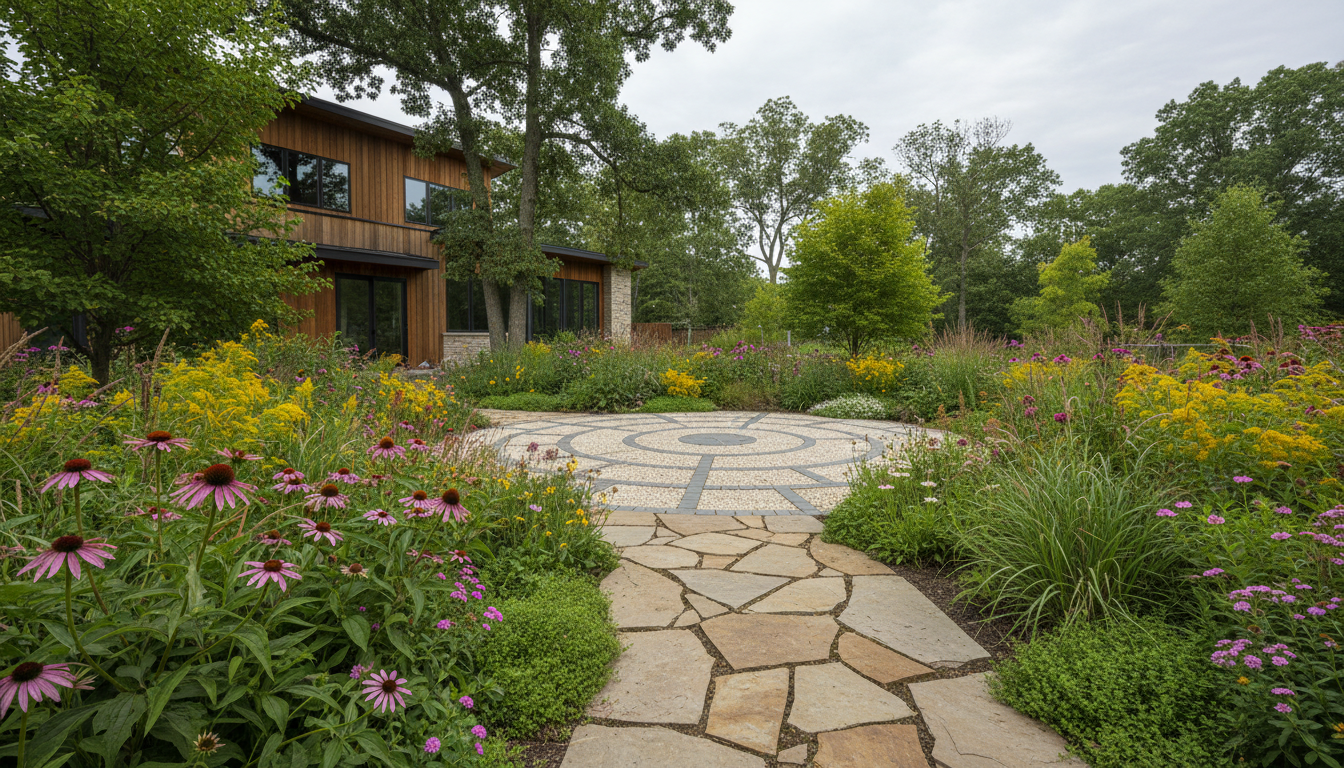
To maximize your rebate benefits, ensure you adhere to all the guidelines set by the program. This includes using approved plant species and maintaining the converted area according to the program's standards. Some programs might offer additional incentives for incorporating other sustainable landscaping elements, such as rain gardens or permeable paving.
Common Challenges and Solutions
While the process of obtaining a turf removal rebate might seem straightforward, there can be challenges. Common issues include delays in inspections or misunderstandings about program requirements. To overcome these, maintain clear communication with program administrators and keep detailed records of your project progress. Additionally, consulting with a landscaping professional can provide valuable insights and ensure your project meets all necessary criteria.
Conclusion
Transitioning to a clover lawn not only contributes to water conservation but also enhances the beauty and sustainability of your property. By understanding and navigating turf removal rebates effectively, you can enjoy financial support in making this eco-friendly change. Stay informed, plan carefully, and you'll be well on your way to enjoying a lush, sustainable clover lawn.