Case Study: Transforming a Local Yard into a Lush Clover Haven


Introduction
In the heart of a bustling city, transforming a local yard into a lush clover haven has become a testament to sustainability and beauty. This case study explores the journey of one homeowner's quest to create an eco-friendly and visually appealing outdoor space.
The Vision
The homeowner, Jane, envisioned a yard that was not only aesthetically pleasing but also environmentally conscious. She wanted a space that would reduce water usage and eliminate the need for chemical fertilizers. Her solution was to replace traditional grass with clover, which is both hardy and low-maintenance.
Why Clover?
Clover is an excellent alternative to grass for several reasons:
- Drought Resistance: Clover requires less water than grass, making it ideal for areas prone to dry spells.
- Nitrogen Fixation: It naturally enriches the soil, reducing the need for fertilizers.
- Pest Resistance: Clover is less susceptible to common pests.
Implementation
The transformation process began with the removal of existing grass. Jane decided to use a combination of red and white clover seeds, known for their durability and lush appearance. The seeds were sown in early spring to take advantage of the cool, moist conditions.

Step-by-Step Process
- Soil Preparation: The soil was aerated and mixed with organic compost to enhance fertility.
- Seeding: Clover seeds were evenly dispersed across the yard.
- Watering: A gentle watering schedule was maintained to ensure germination.
Results
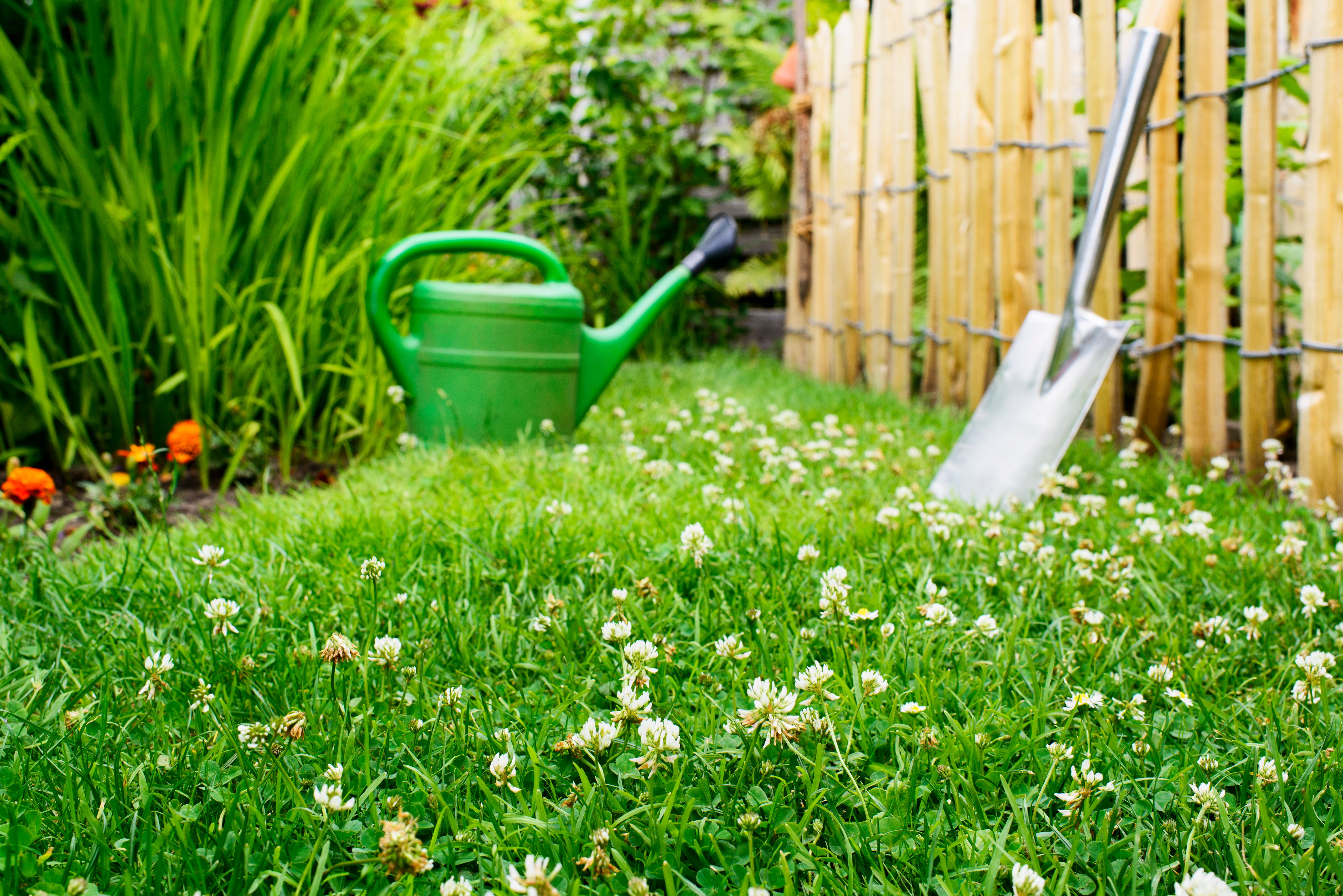
Within weeks, the yard began to transform. The clover germinated quickly, and soon a lush, green carpet covered the ground. Jane noticed a significant decrease in water bills and no longer needed to buy chemical fertilizers.
Environmental Benefits
Beyond aesthetics, the clover yard provided biodiversity benefits. It attracted bees and butterflies, supporting local pollinator populations. The yard became a vibrant ecosystem, contributing positively to the environment.
Conclusion
This case study highlights the potential of clover as a sustainable alternative to traditional grass lawns. Jane's yard has become a model for urban gardening enthusiasts looking to make eco-friendly choices. The transformation into a clover haven serves as inspiration for those wishing to combine beauty with sustainability in their outdoor spaces.