Aesthetic Appeal of Clover Lawns: Beauty Meets Sustainability


Introduction to Clover Lawns
The quest for a greener, more sustainable lifestyle has brought clover lawns into the spotlight. These lawns are not only beautiful but also environmentally friendly, making them an excellent choice for homeowners looking to blend aesthetics with sustainability.
The Aesthetic Appeal of Clover Lawns
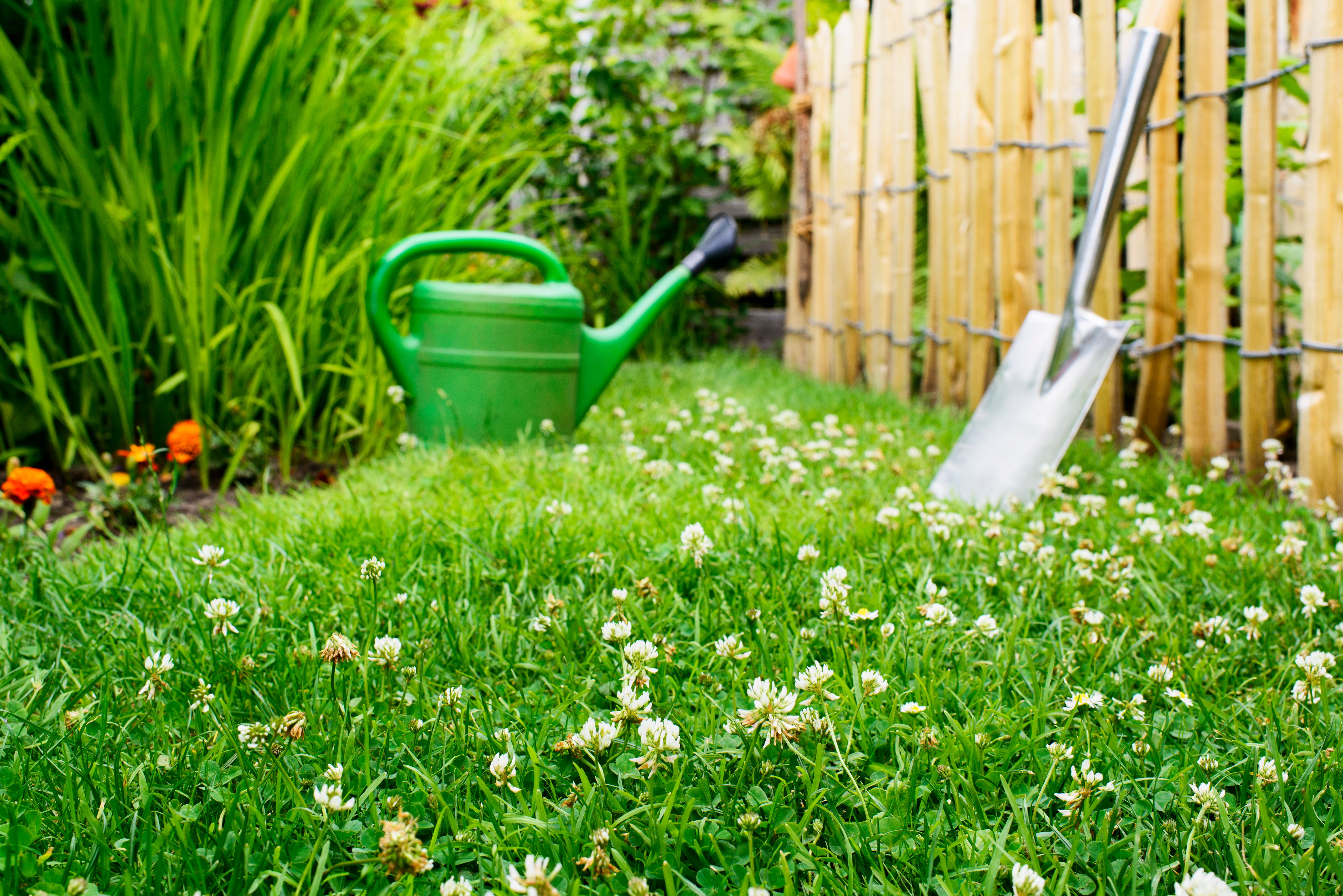
Clover lawns have a unique charm, offering a lush, green appearance that’s soft underfoot. The small, white flowers that bloom add a touch of elegance, creating a picturesque landscape that complements any home.
Unlike traditional grass lawns, clover lawns maintain their vibrant green color even in dry conditions, ensuring your yard looks stunning year-round. The fine texture of clover leaves also provides a visually appealing contrast to other garden elements.
Varieties of Clover
There are several varieties of clover to choose from, each offering different shades and characteristics. Some popular options include:
- White clover: Known for its durability and low maintenance.
- Micro-clover: Offers a denser, more uniform appearance.
- Red clover: Adds a splash of color with its beautiful blooms.

Sustainability Benefits
Clover lawns are not just about looks; they offer several environmental benefits. Clover naturally enriches the soil with nitrogen, reducing the need for chemical fertilizers. This makes clover lawns a more sustainable option than conventional grass lawns.
The deep root system of clover helps prevent soil erosion and improves water retention, which is particularly beneficial in areas prone to drought. Additionally, clover is resistant to pests, minimizing the need for harmful pesticides.
Low Maintenance Requirements
One of the standout features of clover lawns is their low maintenance requirements. Clover grows less aggressively than grass, meaning it requires less frequent mowing. This not only saves time but also reduces fuel consumption and emissions from lawnmowers.
Moreover, clover’s ability to thrive in less-than-ideal soil conditions makes it a resilient choice for various climates, reducing the need for constant care and upkeep.
How to Transition to a Clover Lawn
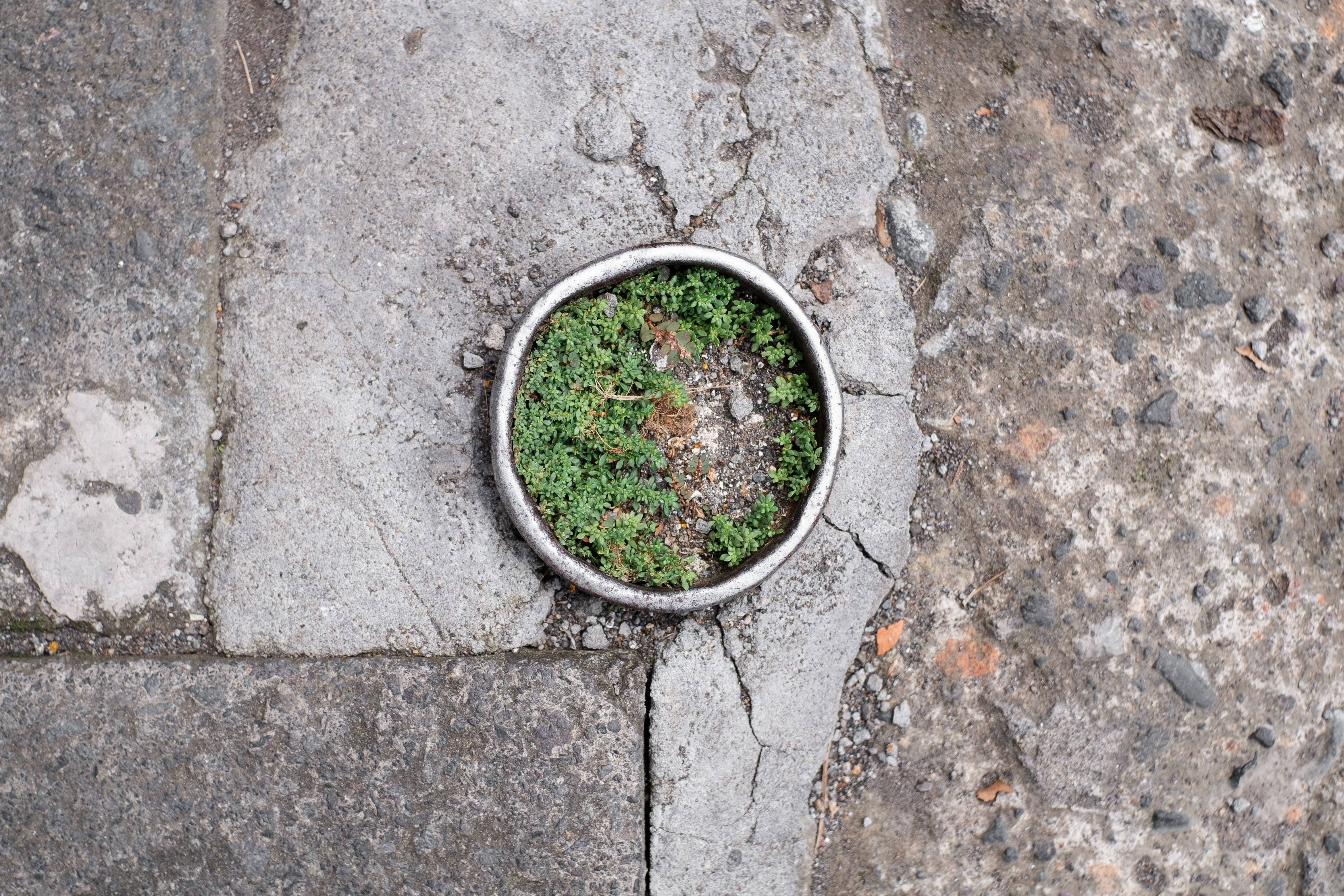
Transitioning to a clover lawn is a straightforward process. Start by removing existing grass and preparing the soil. Sow clover seeds evenly across the area and water them regularly until the clover is established. It’s important to choose the right type of clover for your region and needs.
Once established, clover lawns require minimal intervention, making them an ideal choice for busy homeowners who still want a beautiful and eco-friendly yard.
Conclusion
Incorporating clover into your landscaping not only enhances the visual appeal of your property but also promotes a more sustainable environment. With their beauty and environmental benefits, clover lawns are a perfect blend of aesthetics and eco-conscious living.